How ERP Helps Furniture Stores Reduce Errors and Improve Efficiency
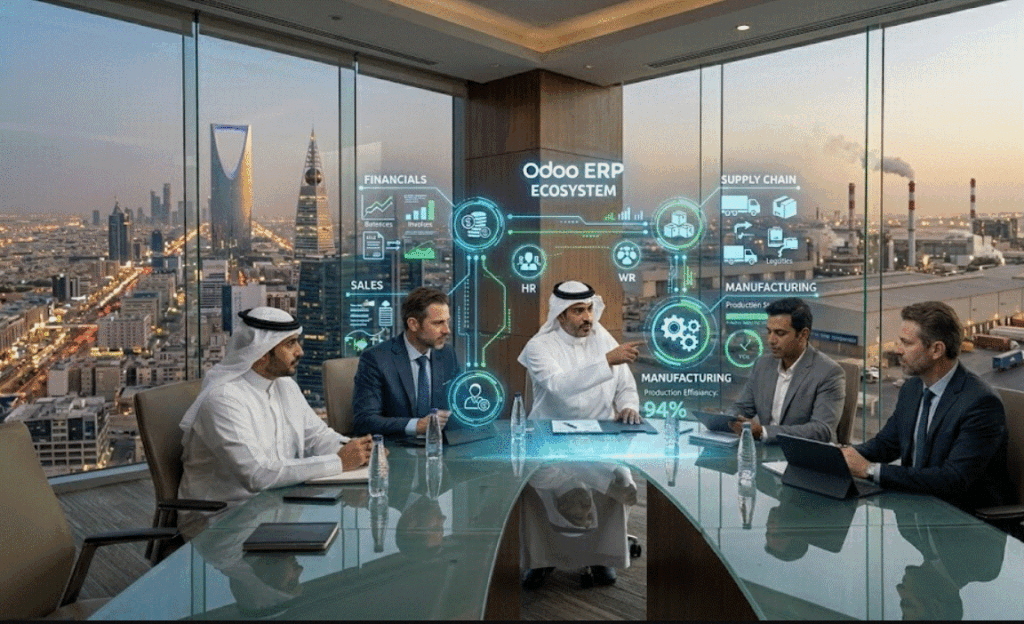
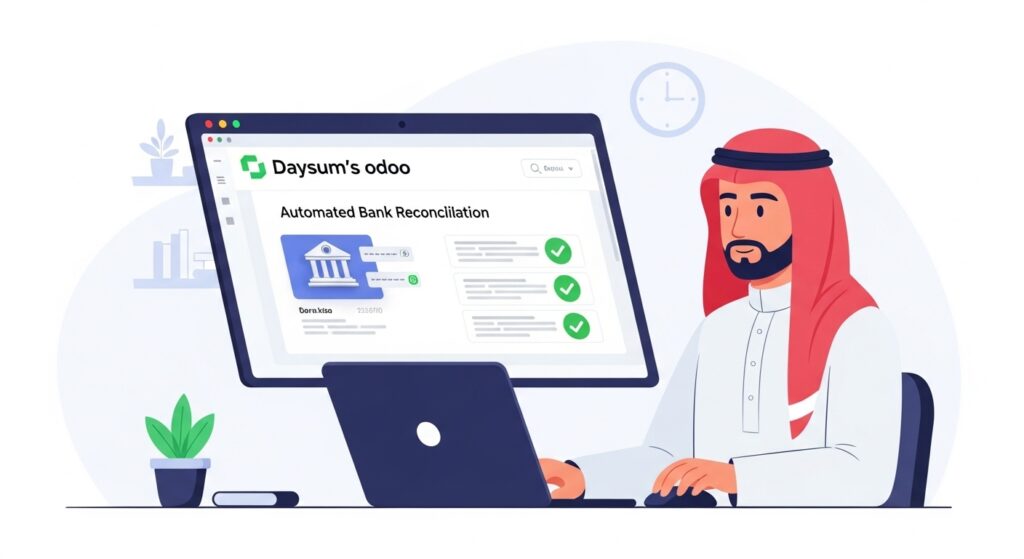
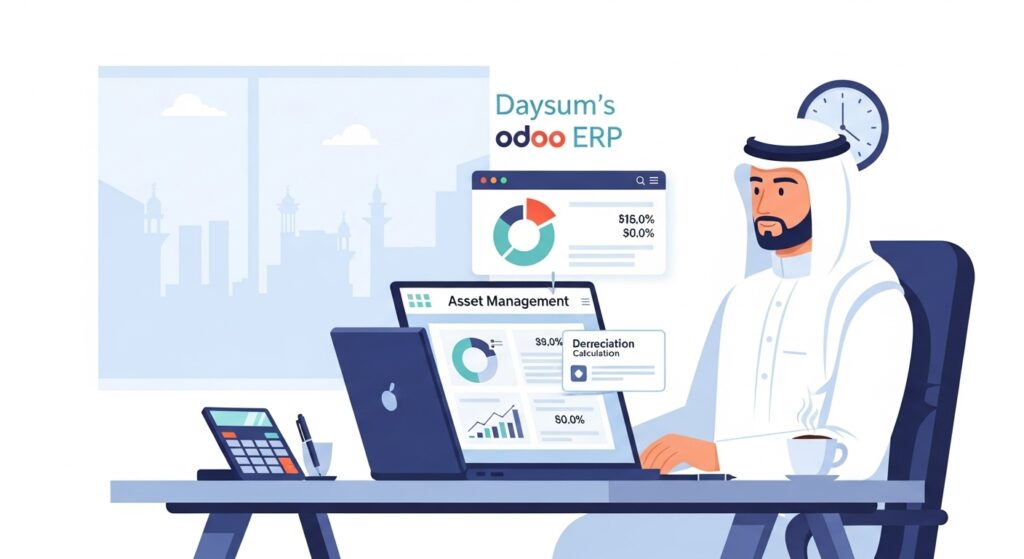
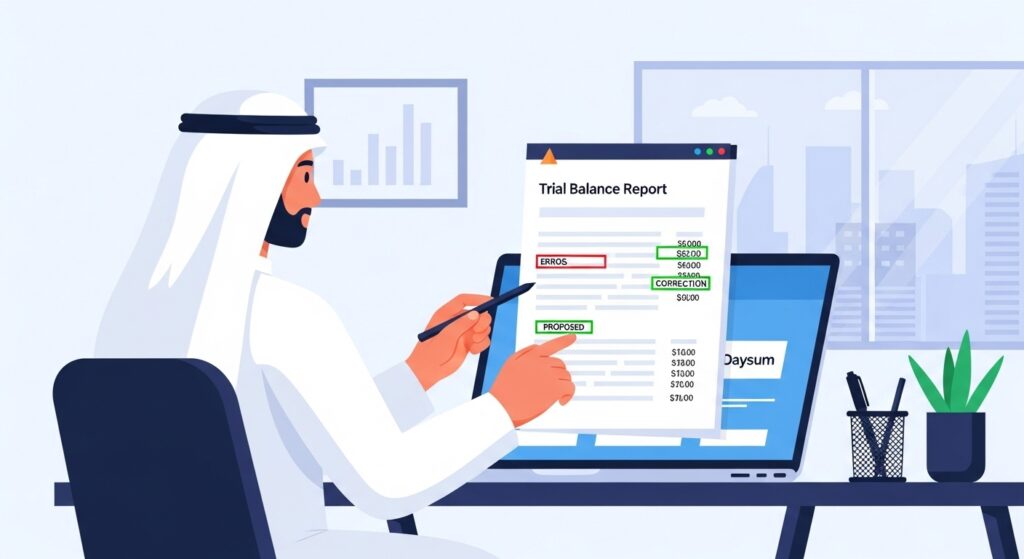
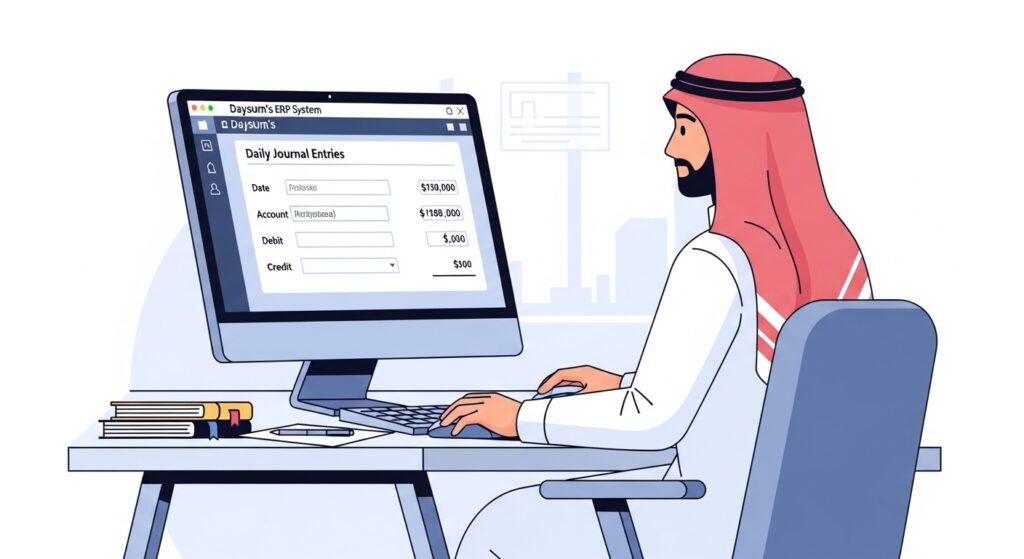
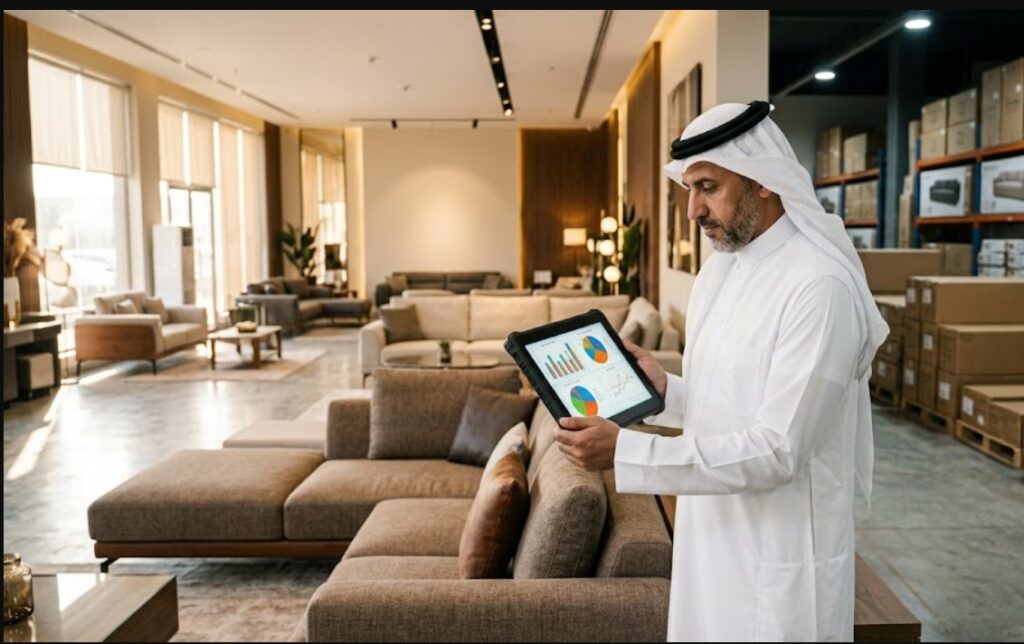
The retail landscape in Saudi Arabia is undergoing a massive shift, driven by digital transformation and the ambitious goals of Vision 2030. For the furniture retail sector, this rapid growth brings both immense opportunities and complex logistical challenges. Selling furniture is not like selling standard consumer goods; it involves managing bulky items, handling intricate custom orders, tracking multiple variations of fabrics and finishes, and coordinating complex delivery and assembly schedules. To thrive in this competitive market, relying on outdated spreadsheets or fragmented software is no longer viable. This is where a specialized furniture ERP (Enterprise Resource Planning) system becomes the cornerstone of your business success. In this comprehensive guide, we will explore exactly how adopting the right ERP software can help furniture stores across the Kingdom of Saudi Arabia dramatically reduce costly errors, streamline their daily operations, and ultimately improve overall efficiency and profitability. The Complexities of the Modern Furniture Retail Market Running a successful furniture store involves juggling countless moving parts. From the moment a customer walks into the showroom to the final delivery of a bespoke dining set, the margin for error is incredibly thin. A simple miscommunication regarding a fabric color or a miscalculation in warehouse inventory can lead to delayed deliveries, frustrated customers, and significant financial losses. In the Saudi Arabian market, where consumer expectations for quality and prompt service are higher than ever, retailers must maintain flawless operations. Customers expect a seamless omnichannel experience, meaning your physical showroom data must perfectly match your online store data. To achieve this level of operational excellence, forward-thinking businesses are turning to successful digital transformation initiatives, placing robust ERP solutions at the heart of their strategy. Why Generic Software Fails Furniture Retailers Many businesses attempt to manage their operations using a patchwork of different software applications: one system for accounting, another for inventory, and perhaps a simple point-of-sale (POS) system for the checkout counter. This fragmented approach inevitably leads to data silos. When your systems cannot communicate with each other in real-time, your staff is forced to perform manual data entry, which is the primary cause of operational errors. A dedicated retail ERP designed specifically for the furniture industry eliminates these silos. It provides a single source of truth across all departments, ensuring that everyone—from the sales representative on the showroom floor to the warehouse manager and the finance team—is looking at the exact same, up-to-date data. Transforming Core Departments with Furniture ERP A comprehensive furniture ERP system does not just improve one aspect of your business; it revolutionizes every department. Let us break down how this powerful software enhances various facets of a furniture retail enterprise. 1. Empowering Sales Management Effective sales management is the lifeblood of any retail business. In a furniture store, the sales process is often consultative and can span several days or weeks as customers measure their spaces and consider their options. With an integrated ERP system, your sales team is armed with real-time information. If a customer in your Riyadh showroom asks about the availability of a specific velvet sofa, the sales representative can instantly check the ERP via a tablet to see if it is in stock at the local warehouse, at a branch in Jeddah, or if it needs to be backordered from the manufacturer. Furthermore, the system stores customer purchase history, preferences, and quotes. This allows sales reps to follow up effectively, offer personalized recommendations, and close deals faster without the risk of promising inventory that does not exist. 2. Streamlining Showroom Operations Showroom operations require a delicate balance of customer service and administrative efficiency. An ERP system simplifies the checkout process, handles complex pricing tiers (such as seasonal discounts or VIP customer rates), and seamlessly manages deposits for custom orders. Instead of writing manual receipts that can be lost or misread, the POS module within the ERP generates immediate digital invoices and triggers the next steps in the fulfillment process automatically. This level of organization ensures that the showroom remains a place of inspiration for the customer, rather than a hub of administrative chaos. 3. Revolutionizing Warehouse and Inventory Control Perhaps the most significant benefit of an ERP system for furniture stores lies in inventory management. Furniture items are large, take up significant warehouse space, and often come in multiple boxes that must be tracked together. Through real-time stock sync, your ERP ensures that the moment an item is sold in the showroom or online, the inventory levels are instantly updated across the entire network. This prevents double-selling and the dreaded scenario of having to call a customer to cancel their order due to a stockout. Additionally, the system can automatically generate purchase orders when stock levels for popular items fall below a predefined threshold. 4. Enhancing Finance and Accounting Accuracy Manual reconciliation of sales, expenses, and supplier invoices is a tedious and error-prone task. An ERP system automates the flow of financial data. Every time a sale is made, inventory is received, or a supplier is paid, the general ledger is updated automatically. For businesses operating in Saudi Arabia, compliance with local tax regulations, such as ZATCA’s regulations, is non-negotiable. Modern ERP solutions offer integrated e-invoicing capabilities, ensuring that every transaction is recorded correctly, taxes are calculated accurately, and your business remains fully compliant with governmental standards without requiring extra manual effort from your accounting team. Traditional Management vs. Furniture ERP System To clearly illustrate the transformative impact of upgrading your software infrastructure, let us compare traditional, fragmented management methods with a unified ERP approach. Business Function Traditional / Fragmented Management Integrated Furniture ERP System Inventory Tracking Manual spreadsheets; prone to human error and delayed updates. Real-time stock sync; instant updates across all sales channels and warehouses. Sales & Quoting Paper quotes; high risk of misplacing customer data or pricing errors. Digital quoting linked to customer profiles; instant conversion to sales orders. Inter-branch Comms Phone calls and emails to check stock in other locations; highly inefficient. Centralized multi-branch control; full visibility of company-wide inventory in seconds. Order