Walking into a traditional gold souq in Riyadh, Jeddah or Cairo is an experience defined by the senses — the bright yellow glow of 21k gold under halogen lights, the weight of a heavy bridal set in your palm, and the rhythmic sound of merchants negotiating. For decades, this physical presence was the only way to sell jewelry. But the landscape has shifted. While the emotional significance of buying gold remains just as strong, the journey now begins on a five-inch smartphone screen. People are no longer just looking for a store; they are looking for a story, a connection, and a sense of absolute trust before they even step foot in a showroom.
The short answer: Jewelry marketing now runs on five pillars — defined buyer personas rather than broad targeting, a mobile-first website with 360° product views, platform-specific social content, automated email triggers, and inventory that stays synchronized between the showroom and every online channel.
This shift toward the digital space isn’t just about having a Facebook page. It is a total transformation of the sales funnel. In a world where luxury is defined by convenience and personalization, those who stick to old-school “window-shopping” alone find themselves losing ground. Digital tools allow a brand to reach into the private lives of consumers at exactly the right moment — when they are planning a wedding, celebrating a promotion, or looking for a secure investment against inflation. Modern marketing strategies for jewelry in the digital age consistently outperform traditional billboard or print advertising on measurable conversion, because every Riyal spent can be traced to a specific audience and a specific outcome.
How can you define your target audience?
The biggest mistake a jeweler can make is trying to talk to everyone at once. A grandmother buying a traditional gold coin as a gift for a newborn has completely different motivations than a 28-year-old bride in Riyadh looking for a modern, diamond-encrusted white gold set. To succeed, you have to move beyond generic marketing and create deep “buyer personas.” These are detailed profiles of your ideal customers that dictate every photo you take and every caption you write.
Consider the two primary pillars of the Gulf jewelry market:
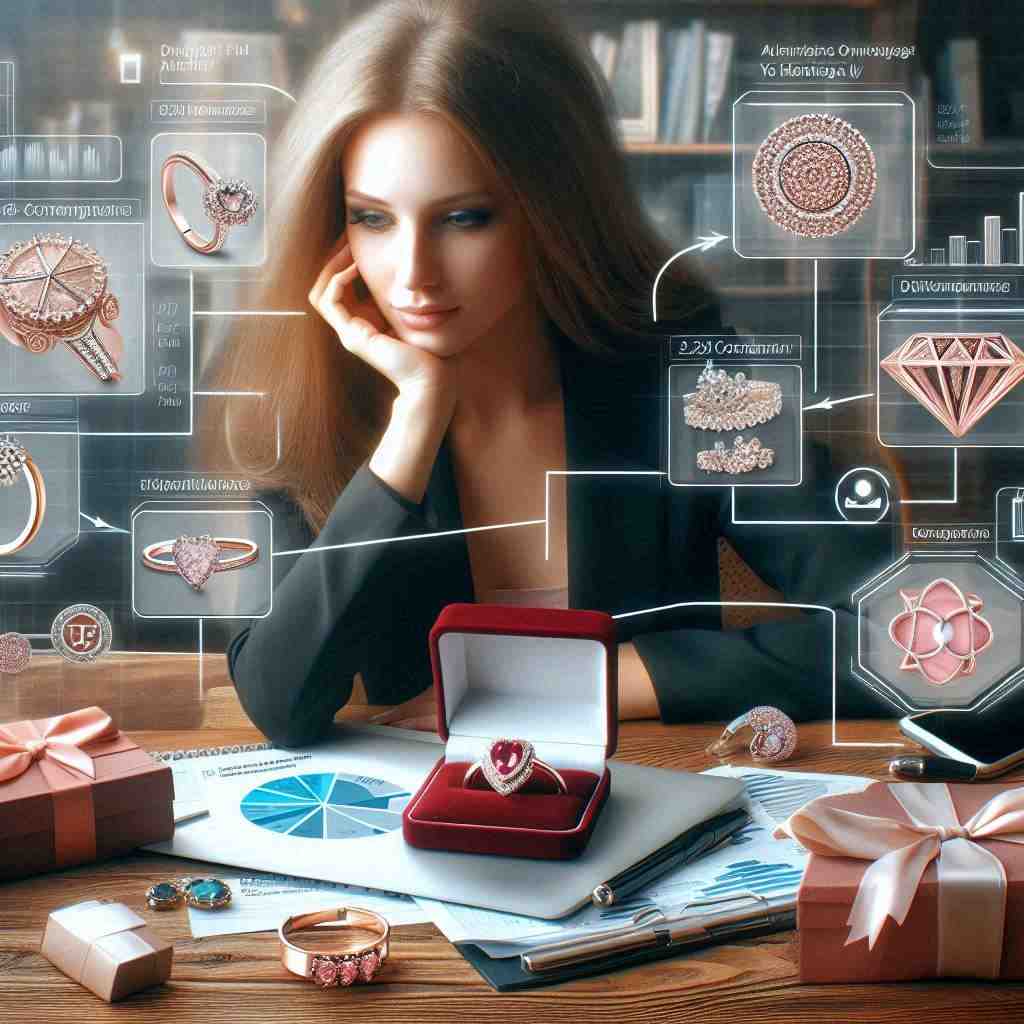
- The Emotional Bride (25–35 years old): She is likely spending hours on Pinterest and Instagram. She values aesthetics, “Instagrammable” packaging, and pieces that reflect her personal style rather than just traditional weight. For her, the jewelry is a symbol of a new chapter. Your marketing to her should focus on the “dream,” the craftsmanship, and the sparkle.
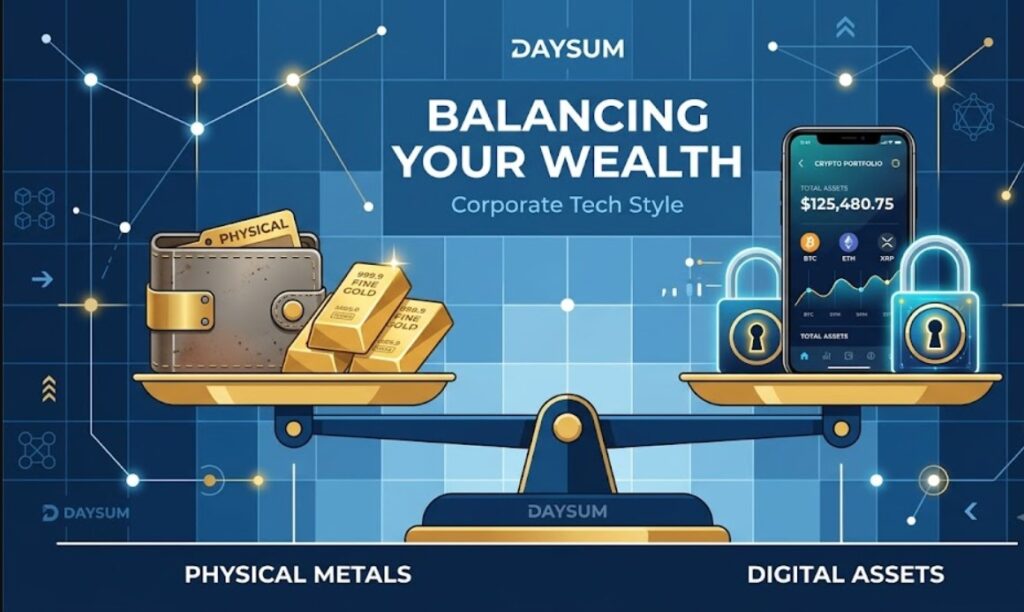
- The Savvy Investor (40+ years old): This customer sees gold as a hedge. They are interested in 24k bars, coins, and heavy sets with low making charges. They follow global gold price trends closely. For them, your marketing should emphasize the importance of building a strong brand and the purity of your metal. They want data, stability, and transparency.
By looking at your history, you can identify peak seasons. Across the Kingdom and the wider Gulf, the wedding season following Eid is a goldmine. If you aren’t preparing your digital campaigns three months in advance, you are already too late. Using your internal data allows you to analyze sales data to improve strategies, ensuring you stock the right karats and designs for the right demographic at the right time.
What makes a jewelry website convert visitors into buyers?
Your website is your flagship store in the digital world. If it is slow, cluttered, or difficult to navigate on a phone, it is the equivalent of having a dirty, dimly lit showroom. Jewelry is a visual product, and the digital experience must reflect that luxury.
- Mobile-First is the Only Way: The overwhelming majority of your traffic will come from mobile devices. If a customer has to “pinch and zoom” to see the hallmark on a ring, they will leave. The design must be fluid, with buttons that are easy to click and a checkout process that feels secure.
- The Power of 360-Degree Views: High-resolution photos are the baseline, but 360-degree product videos are the game-changer. Customers want to see how a diamond catches the light from every angle. This builds the “tactile trust” that is usually missing in online shopping.
- Speed and Technical SEO: A luxury buyer is impatient. If your site takes more than three seconds to load because of heavy, unoptimized images, you lose them. Compressing images while maintaining crisp quality is a technical necessity. Furthermore, your site must be optimized for local searches like “best gold engagement rings Riyadh” or “21k gold sets Jeddah.”
| Website Feature | Why It Matters for Jewelry | Impact on Conversion |
|---|---|---|
| 360° View | Replaces the physical “touch and feel” experience. | Raises add-to-cart rates by reducing purchase hesitation. |
| Fast Load Speed | Prevents frustration and reduces bounce rates. | Improves Google ranking and user trust. |
| Mobile Checkout | Allows for impulsive or “on-the-go” luxury buys. | Reduces abandoned carts significantly. |
| SEO Keywords | Connects you with people actively searching for gold. | Increases organic, high-intent traffic. |
Which social media platforms drive the most “sparkle” for your brand?
Social media isn’t a megaphone; it’s a conversation. Each platform serves a different purpose in the jewelry buyer’s journey. You shouldn’t just copy and paste the same content everywhere, and the practical mechanics of how gold stores can use social media differ sharply from one channel to the next.
Instagram: The Visual Inspiration Hub
This is where the “dream” lives. Use Reels to show how a necklace sits on a real person, not just a plastic bust. The movement of the gold against skin is what triggers the emotional purchase. Use Stories to run polls — ask your followers if they prefer “Classic Yellow Gold” or “Modern Rose Gold.” This engagement doesn’t just build community; it gives you free market research.
Facebook: The Community and Trust Builder
While Instagram is for inspiration, Facebook is for information and trust. This is where you can share longer stories about your brand’s heritage or host “Live Sales” where you explain the value of specific investment pieces. It’s also the place where customer reviews carry the most weight. A positive comment about how smooth and transparent your checkout and invoicing process felt can be the final push a hesitant buyer needs.
Pinterest: The Long-Tail Planning Tool
People go to Pinterest to plan their future. A bride-to-be might save a photo of your bridal set to her “Wedding Inspo” board six months before she is ready to buy. By creating trend boards and linking each pin back to your shop, you capture customers at the very beginning of their journey.
Can email marketing really sell a high-value ring?
Many business owners think email is dead, but in the luxury sector it remains one of the highest-ROI channels available. The secret is automation and personalization. You aren’t just sending “newsletters”; you are sending targeted triggers.
- The “Welcome” Sequence: When someone signs up for your list (perhaps in exchange for a discount on making charges), you should have a three-part email series that tells your brand story, showcases your best-sellers, and explains your quality guarantees.
- The Abandoned Cart Recovery: This is the lowest-hanging fruit in digital marketing. If a customer adds a gold bracelet to their cart but leaves before paying, an automated email sent a couple of hours later recovers a meaningful share of those lost sales. Sometimes they just got distracted; a gentle reminder with a beautiful photo of the piece is often all it takes.
- Educational Content: Instead of always saying “Buy this,” try saying “Here is how to style gold for a summer wedding.” Blog posts about seasonal gold trends or styling guides position you as an expert, not just a salesman. This expertise is a key part of how you attract customers through promotional offers that feel valuable rather than cheap.
How do you balance influencers and paid advertisements?
Across the Gulf, “word of mouth” has gone digital. Influencers are the new neighborhood recommenders. However, the trend is shifting away from “mega-celebrities” with millions of followers. Those influencers are expensive and their audience is too broad.
For a gold store in Riyadh or Jeddah, a “micro-influencer” with roughly 10,000 to 50,000 followers who focuses specifically on local fashion or wedding planning is much more effective. Their followers trust them personally. When they wear your jewelry in a video, it feels like a recommendation from a friend, not a paid ad.
On the other hand, paid ads (Google and Meta) should be used for retargeting. If someone visits your website but doesn’t buy, you can show them ads for the exact piece they were looking at as they browse other sites. This keeps your brand top-of-mind, and because you are spending only on people who have already shown interest, retargeting typically returns a far higher ROI than cold-audience campaigns.
Boost your sales and reach high-value buyers by implementing modern jewelry digital marketing strategies.
Why is a unified system the foundation of digital scaling?
You can have the best marketing in the world, but if your online store says a ring is in stock while a customer just bought it in your physical showroom, you have a major problem. This is where integration with a specialized gold ERP for jewelry businesses becomes essential.
Daysum is designed to act as the central nervous system for jewelry businesses looking to scale. It isn’t just about accounting; it is about synchronizing every part of the business:
- Inventory Sync: When a piece sells in the souq, it is instantly removed from your website and social media shop. No more embarrassing phone calls to customers explaining that an item is out of stock.
- Personalized Campaigns: Daysum stores your customer data securely. You can see who hasn’t bought in six months and send them a personalized “We miss you” offer. This level of data-driven targeting is what separates a campaign that converts from one that simply reaches people.
- SEO and Analytics: By integrating your sales data with your web traffic, you can see exactly which keywords are bringing in the most profitable customers. You can see if your “Eid Sale” blog post actually resulted in sales or just empty clicks.
- Operational Compliance: As you grow, staying legal is vital. Daysum handles ZATCA e-invoicing compliance in the background, allowing you to focus on the creative side of marketing while the system handles the regulatory heavy lifting.
Modern jewelry sales are won by those who can blend the ancient allure of gold with the surgical precision of digital data. By focusing on a mobile-first presence, emotional storytelling on social media, and a unified backend like Daysum, your store can transition from a local favorite to a digital powerhouse.
Frequently Asked Questions (FAQs)
Yes, but the strategy is different. For investment gold, the marketing should focus on trust, security, and live price updates. Use your website to show real-time gold rates and use email marketing to send "Market Alerts" to your investor persona. The goal is to position your brand as a reliable financial partner.
Look for "Engagement" rather than "Follower Count." Check their comments—are people asking where to buy the clothes and jewelry they wear? If so, they have a high-intent audience. Also, ensure their style aligns with your brand. A "Boho-chic" influencer might not be the best fit for traditional 21k bridal sets.
Visual SEO. This means every image on your site must have "Alt Text" that describes the piece (e.g., "18k Rose Gold Diamond Engagement Ring Cairo"). This helps Google understand your images and show them in "Google Image Search," which is where many jewelry journeys begin.
Instead of manually emailing every customer, you set up "flows" once. For example, a "Birthday Flow" can automatically send a gift voucher to a customer every year on their birthday. This keeps the relationship alive with zero manual effort, allowing you to focus on managing the showroom.