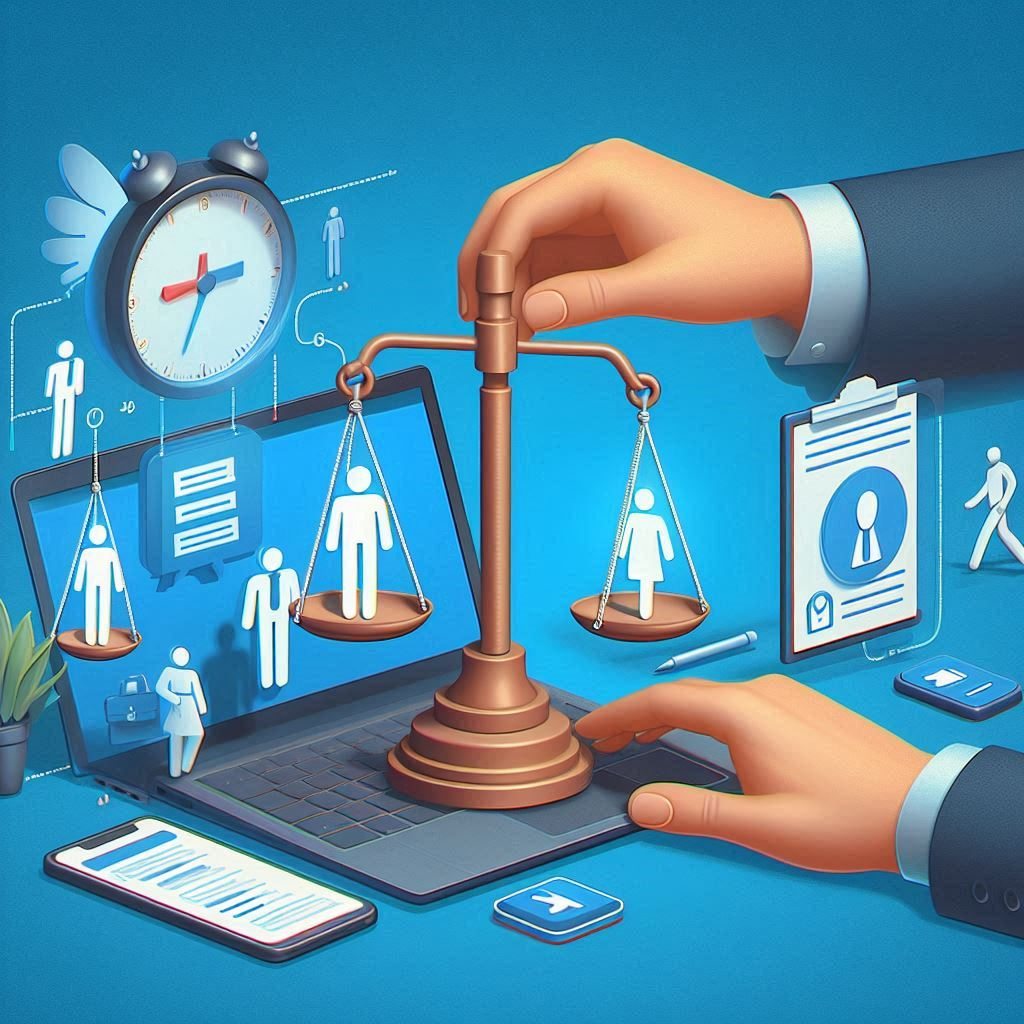
In the rapidly evolving landscape of modern business, Human Resources (HR) is undergoing a massive shift. No longer confined to the back office managing endless stacks of paper, HR departments are transforming into strategic drivers of company culture, talent retention, and operational growth. At the absolute center of this digital transformation is the adoption of Employee Self-Service (ESS) systems.
A self-service system in HR is a digital portal or application that allows employees and managers to access HR-related information, update personal data, and perform routine tasks independently, without needing direct intervention from HR staff. If you are new to the concept, start with our primer on what employee self-service (ESS) systems are. In today’s fast-paced, hybrid, and remote work environments, these systems are not just a luxury; they are a critical necessity. The main takeaway is simple but powerful: self-service systems drastically improve operational efficiency for HR professionals while simultaneously maximizing convenience and engagement for employees.
In this article, we break down the core benefits of these systems and how implementing the right digital infrastructure can revolutionize your workplace.
1. Reduced Administrative Tasks: Freeing HR to be Strategic
Historically, HR professionals have been bogged down by tedious, repetitive administrative duties. Answering questions about remaining vacation days, updating an employee’s new home address, or manually processing sick leave consumes a disproportionate share of the HR team’s working week — in most organizations it is the single largest category of HR time, and almost none of it creates strategic value.
Automation of Routine Tasks
Self-service systems act as a digital assistant, completely automating these routine tasks. When an employee moves to a new city or changes their bank account details, they can log into the portal and update the information themselves. The system automatically syncs this new data with the payroll and compliance modules, entirely bypassing the need for manual HR data entry — a change that removes one of the most common mistakes in attendance and payroll management.
Streamlined Approvals and Submissions
Gone are the days of paper leave request forms sitting on a manager’s desk waiting for a signature. With an integrated self-service portal, employees can submit requests digitally. The system automatically routes the request to the appropriate line manager for approval and updates the company calendar. Crucially, it can also validate the request against Saudi labor law rules for leave and overtime before it ever reaches the manager, so non-compliant requests are caught at submission rather than at payroll.
Less Manual Work for HR Teams
By decentralizing these basic data-entry tasks, HR teams experience a massive reduction in manual workload. This paradigm shift allows HR professionals to focus their energy on high-value, strategic initiatives such as talent acquisition, employee wellness programs, and leadership development. The same principle applied to compensation is what makes payroll automation save both time and cost.
2. Improved Efficiency: The Power of Real-Time Operations
In business, speed is a competitive advantage. Traditional HR processes are notoriously slow, heavily reliant on physical paperwork and back-and-forth email chains. Self-service systems shatter these bottlenecks.
Faster Response Times for Employees
When an employee needs a copy of their payslip for a bank loan or wants to review the company’s health insurance policy, they no longer have to wait for an HR representative to reply to an email. They can download the necessary documents instantly from the portal, 24/7.
Real-Time Access to Data and Reports
For managers and HR leaders, self-service systems offer unparalleled visibility. Advanced cloud HRMS solutions provide real-time dashboards that track key performance indicators, employee turnover rates, and attendance patterns. This immediate access to accurate data empowers leadership to make proactive, data-driven decisions rather than reactive ones — the practical payoff described in our piece on how data analytics improves attendance management.
Reduced Paperwork and Administrative Overhead
Moving to a digital self-service model virtually eliminates the need for physical paperwork. This not only reduces the company’s carbon footprint and printing costs but also mitigates the risk of sensitive employee documents being lost, damaged, or mishandled.
3. How Self-Service Empowers Employees
A common misconception is that self-service systems only benefit the HR department. In reality, these systems are deeply employee-centric, directly contributing to higher job satisfaction and morale.
Fostering Employee Self-Sufficiency
Modern employees, accustomed to the instant gratification of consumer apps, expect the same level of digital autonomy at work. Self-service portals empower them to take control of their own professional data, fostering a sense of ownership and self-sufficiency. The psychological effect matters as much as the operational one: an employee who can answer their own question about a leave balance does not have to ask a favour to obtain information that is already theirs.
Easier Access to Important HR Information
Whether they are in the office, working from home, or traveling on a business trip, employees can securely access their HR profiles from their smartphones or laptops. Utilizing a modern cloud-based attendance system allows staff to clock in, check their shift schedules, and request overtime with just a few taps on their screens. Accurate clock-in data also feeds payroll directly, which is how electronic time tracking improves payroll accuracy.
Faster Issue Resolution and Better Communication
When employees have direct access to their data, discrepancies (such as a missing overtime hour) can be spotted and flagged immediately, leading to much faster resolution times. Furthermore, the portal serves as a centralized hub for company-wide announcements, policy updates, and training materials, ensuring total transparency and consistent communication across the entire organization. Transparency is also the cheapest retention tool available — the theme of our article on enhancing employee experience with self-service systems.
4. Best Practices for Implementation
Transitioning to an HR self-service model is a significant organizational change. To ensure a high adoption rate and maximum return on investment, companies must follow strategic best practices during implementation.
Choose the Right Software
Not all HR systems are created equal. You need a platform that is scalable, highly secure, and tailored to the specific labor laws and cultural nuances of your region. Partnering with a specialized provider for Odoo implementation in Saudi Arabia ensures that your system is natively equipped to handle local compliance, Arabic language interfaces, and seamless integration with your existing accounting and operational software. Before you shortlist vendors, confirm that the platform can keep your HR system compliant with Saudi labor law out of the box rather than through custom development.
Stop wasting time on paperwork — empower your staff and lighten your administrative load with Daysum’s intelligent HR Management Software, built for Saudi labor-law compliance.
Provide Training and Support
Even the most intuitive software requires an introduction. Provide comprehensive, easy-to-understand training sessions for all employees. Create quick “How-To” video guides and ensure there is a dedicated IT or HR helpdesk available during the initial rollout weeks to assist those who may be less tech-savvy.
Manage Change Effectively
Change can be met with resistance. Leadership must clearly communicate the value of the new system to the employees — emphasizing that the portal is there to make their lives easier, not just to save HR time.
Continuously Improve Based on Feedback
Implementation is not a one-time event; it is an ongoing process. Regularly solicit feedback from employees and managers about their experience using the portal. Use this feedback to tweak workflows, add new features, and continuously improve the user experience.
Traditional HR Administration vs. an Automated Workplace
To make the scale of the shift concrete, the table below contrasts how the same everyday tasks are handled with and without a self-service system:
|
Administrative Task |
Traditional Environment (no ESS) |
Automated Environment (with Daysum) |
|
Approvals and requests |
Paper forms circulating between desks, taking several days to complete. |
Instant digital request, automatic balance check, and manager approval from a phone in seconds. |
|
Updating personal records |
Employee fills a form and hands it to HR staff for manual re-entry into the system. |
Employee edits directly in the app, with electronic review and fast approval. |
|
Payroll enquiries |
Requesting a printed payslip or visiting the accounts department in person. |
Interactive payslip available for download at any time, from anywhere. |
|
Data accuracy |
Highly exposed to omissions, outdated records, and repeated human error. |
Live data, updated in real time and protected from conflicts by automatic validation rules. |
|
The HR professional’s actual role |
An operational clerk absorbed by paperwork and daily reconciliations. |
A strategic partner focused on performance analysis, talent development, and culture. |
|
Employee satisfaction |
Low, due to bureaucracy, slow responses, and unclear procedures. |
High, driven by autonomy, transparency, and fast resolution of personal requests. |
Conclusion
The transition to an HR self-service system is an essential step for any forward-thinking organization. By automating routine administrative tasks and streamlining data access, these systems liberate HR teams from the burden of paperwork, allowing them to focus on cultivating a thriving workplace culture.
Simultaneously, self-service portals empower employees with autonomy, transparency, and instant access to the information they need to succeed. When executed correctly with robust software like Daysum’s integrated solutions, an Employee Self-Service system becomes a reliable catalyst for improving both HR operations and the overall employee experience. If you are still comparing options, our review of the best self-service applications for attendance management in Saudi Arabia is a practical starting point.
Frequently Asked Questions
It is a digital portal empowering employees to manage their own HR tasks.
It automates routine administrative paperwork so your HR team can focus on strategy.
Yes, employees can securely access their information from any smartphone at any time.
It seamlessly syncs with financial modules to ensure perfectly accurate salary calculations.
The platform uses advanced cloud encryption and fully complies with Saudi labor laws.
It unifies data across all locations to provide leadership with instant, real-time analytics.