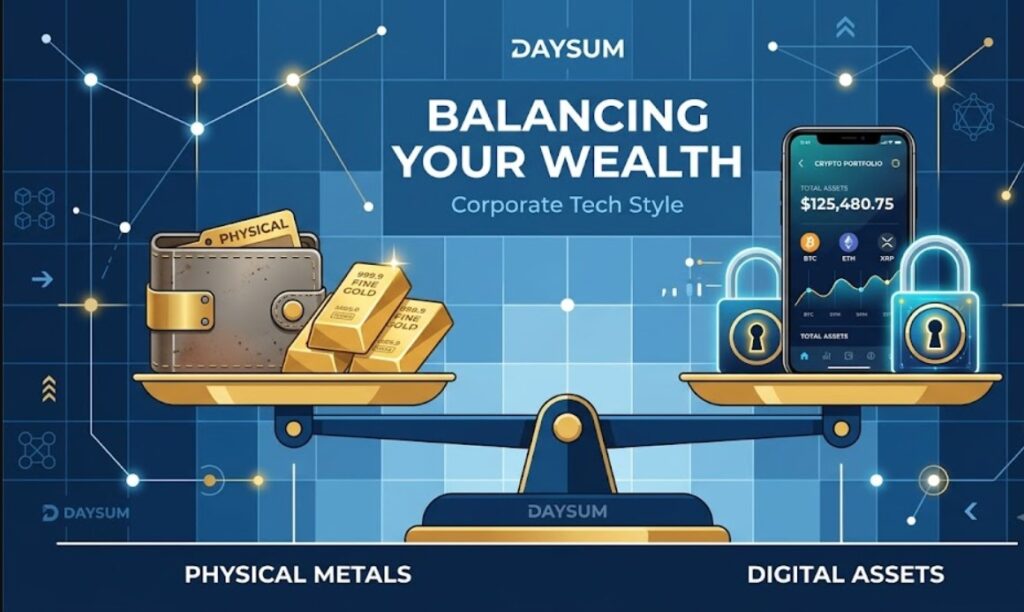
In the modern financial ecosystem of Saudi Arabia, wealth preservation remains a top priority for both individual investors and corporate entities. Historically, this has involved purchasing physical gold bullion, silver coins, and intricate jewelry, then storing these assets in home safes or bank deposit boxes. However, as investment portfolios grow and diversify, the traditional method of physically hoarding and manually tracking precious metals has become inefficient, risky, and incompatible with the fast-paced nature of global trading.
Enter the metals investment wallet—a revolutionary digital transformation in the way we manage physical wealth. This innovative concept bridges the gap between ancient asset classes and modern financial technology. By digitizing the tracking, allocation, and liquidity management of your physical assets, a gold wallet allows you to organize your investments with unprecedented precision. This comprehensive guide will deeply explore the definition of this concept, its practical use cases, the massive benefits it offers, and how you can leverage it to manage your metal portfolio smarter and more securely.
Also read: Physical vs Digital Metals Wallets: Which One Fits You Better?
Defining the Metals Investment Wallet Concept
When you hear the term “wallet” in a modern financial context, you likely think of digital applications used to store fiat currency or cryptocurrencies. A metals investment wallet operates on a very similar principle, but instead of holding digital tokens, it serves as a secure, centralized digital ledger for your physical gold investment and other precious metals.
It is crucial to understand that a bullion wallet does not mean your gold is theoretical or purely digital (like a gold ETF). The physical gold still exists and is securely stored in a heavily guarded, insured, and audited vault managed by a licensed financial institution or precious metals dealer. The “wallet” is the sophisticated enterprise software interface—often powered by a specialized Gold ERP system—that grants you complete visibility and control over those physical assets.
Through this digital portal, an investor can view the exact weight, karat purity, and live market value of every single gram they own. It transforms a static pile of metal sitting in a dark vault into a dynamic, trackable, and highly liquid precious metals account.
Practical Use Cases: Who Needs a Metals Wallet?
The metals investment wallet is not exclusively for institutional investors or multi-millionaires. It is a highly versatile tool designed to optimize asset allocation for a wide variety of users in the Saudi market.
1. The High-Net-Worth Individual (HNWI)
Individuals with significant wealth often hold diversified portfolios containing hundreds of ounces of gold and silver. Manually tracking the value of these assets across multiple home safes or different bank boxes is a logistical nightmare. A gold wallet consolidates this data. The individual can log in from their smartphone, instantly see the total value of their holdings based on the live global spot price, and make rapid decisions regarding when to buy more or liquidate a portion of their holdings.
2. The Strategic Corporate Treasurer
Businesses in Saudi Arabia often hold gold bullion as a hedge against inflation or currency devaluation, acting as a reserve for their corporate financials. For a corporate treasurer, holding physical gold on the balance sheet requires precise auditing and daily valuation. A digital bullion wallet integrates seamlessly with broader corporate ERP systems, allowing the finance team to generate instant, accurate reports on corporate reserves for stakeholders and regulatory compliance.
3. The Frequent Pawner (Secured Borrower)
For individuals or small businesses that frequently use their gold as collateral for short-term liquidity, a metals wallet is a game-changer. Instead of carrying physical gold back and forth to a pawnshop every time cash is needed, the gold remains safely in the institution’s vault. The user can simply log into their metals investment wallet, select a specific bullion bar, and instantly pledge it for a cash loan with the click of a button, creating a frictionless borrowing experience.
The Core Benefits of a Digital Precious Metals Account
Transitioning from manual hoarding to a digitized metal portfolio provides profound advantages that directly impact the security, profitability, and liquidity of your investments.
1. Absolute Real-Time Valuation
Gold is a globally traded commodity; its value changes by the second. If you hold physical gold in a home safe, calculating its net worth requires manually weighing the items and checking a separate financial website for the current spot price. A metals investment wallet automates this entirely. The software links directly to global commodity API feeds, updating the total value of your portfolio in real-time, 24/7. This allows you to capitalize on sudden market surges instantly.
2. Unprecedented Physical Security
Keeping significant amounts of physical gold in a private residence poses a massive security risk. Home insurance policies often have strict limits on the value of jewelry or bullion they will cover in the event of a robbery. By utilizing a gold wallet, your physical assets are transferred to an institutional, climate-controlled vault featuring biometric security, 24/7 armed surveillance, and comprehensive insurance policies that cover the full market value of the gold.
3. Frictionless Liquidity and Trading
The traditional process of liquidating physical gold is slow. You must transport the metal to a dealer, wait for manual acid testing or XRF scanning, negotiate the price, and wait for a bank transfer. With a digital precious metals account, your gold has already been audited and authenticated by the institution holding it. If you decide to sell 50 grams of your holding, you can execute the trade digitally within the wallet. The institution purchases the gold internally, and the cash is immediately credited to your linked bank account.
4. Flawless ZATCA and Auditing Compliance
For businesses holding gold, regulatory compliance is critical. Modern wallet systems are designed to align with Saudi Arabia’s Zakat, Tax and Customs Authority (ZATCA) regulations. Every transaction—whether buying, selling, or paying storage fees—is documented through automated E-invoicing. This creates an immutable digital audit trail that simplifies tax reporting and corporate accounting.
Traditional Storage vs. Digital Metals Wallet
To highlight the dramatic upgrade in efficiency, the table below compares the traditional method of managing physical gold against the modern digital wallet approach.
| Feature / Capability | Traditional Physical Storage (Home/Bank) | Digital Metals Investment Wallet |
|---|---|---|
| Portfolio Valuation | Manual, slow, and prone to mathematical errors. | Automated, 100% accurate, and updated in real-time. |
| Physical Security | High risk of home theft; limited insurance coverage. | Institutional-grade vault security; fully insured assets. |
| Liquidation Speed | Requires physical travel, appraisal, and negotiation (Hours/Days). | Instant digital execution; funds transferred immediately (Seconds). |
| Pawning / Borrowing | Requires physically transporting the asset to a broker. | Digital pledging directly from the vault without moving the asset. |
| Audit Trail | Relying on easily lost paper receipts. | Immutable digital ledger and compliant E-invoices. |
How Tracking and Asset Allocation Work within the Wallet
The true power of a metals investment wallet lies in its ability to break down your overarching wealth into highly specific, manageable data points, allowing for sophisticated asset allocation.
When you deposit physical metals into the institution’s vault, each item undergoes a rigorous appraisal using XRF technology. The exact weight, purity, and type (e.g., 24K Swiss Bullion, 21K Saudi Jewelry, 999 Silver Coin) are recorded. The ERP system then assigns a unique digital barcode or RFID tag to that specific physical item.
When you log into your digital dashboard, you do not just see a single lump sum value. You see a granular breakdown of your metal portfolio. You can view exactly how much of your wealth is concentrated in 24K bullion versus 18K jewelry. This visibility allows investors to rebalance their portfolios strategically. If an investor realizes their portfolio is too heavily weighted in silver during a period of high gold demand, they can use the wallet’s trading features to seamlessly liquidate the silver and instantly purchase vaulted gold, optimizing their gold investment strategy with a few clicks.
A Practical Example of a Digital Metal Portfolio Dashboard
This table illustrates what a user might see when they log into their metals investment wallet, demonstrating the granular level of tracking available.
| Asset Identifier | Asset Type | Karat Purity | Net Weight | Live Spot Price (SAR/g) | Current Total Value (SAR) | Status |
|---|---|---|---|---|---|---|
| #GLD-8821 | Swiss Bullion Bar | 24K (99.9%) | 100.00g | 285.00 | 28,500.00 | Available / Vaulted |
| #GLD-3390 | Local Gold Coins | 22K (91.6%) | 40.00g | 261.00 | 10,440.00 | Available / Vaulted |
| #JWL-9912 | Heirloom Necklace | 21K (87.5%) | 65.50g | 249.30 | 16,329.15 | Pledged (Active Loan) |
| #SLV-1104 | Silver Bullion Bar | 999 Fine | 1000.00g | 3.50 | 3,500.00 | Available / Vaulted |
| Total Portfolio | — | — | 1,205.50g | — | 58,769.15 SAR | — |
Note: In this example, the user has pledged one specific necklace for a cash loan. The system clearly flags this asset as “Pledged,” meaning it cannot be sold or withdrawn until the loan is repaid, while the rest of the portfolio remains fully liquid.
The Future of Precious Metals Management in Saudi Arabia
The concept of the metals investment wallet is not a passing trend; it is the inevitable future of wealth management in the Middle East. As Saudi Arabia pushes forward with its rapid modernization goals, the financial sector is demanding more transparency, speed, and security than traditional manual methods can provide.
By utilizing robust enterprise systems, institutions can offer their clients an unparalleled level of service. Investors no longer have to choose between the enduring, inflation-resistant safety of physical gold and the rapid, frictionless convenience of modern digital banking. A gold wallet merges these two worlds flawlessly. Whether you are a private investor looking to safeguard your family’s future or a corporate entity managing extensive financial reserves, adopting this digital framework is the smartest, most secure way to organize your precious metals investments for long-term success.
Frequently Asked Questions (FAQs)
No. When you buy a Gold ETF (Exchange-Traded Fund), you are buying shares in a fund that holds gold; you do not own specific, physical bars. With a metals investment wallet, you retain absolute, direct legal ownership of specific, physical pieces of gold and silver that are securely stored in a vault on your behalf. You can request physical delivery of your specific items at any time.
Yes. Because the institution is providing highly secure physical vault storage, 24/7 armed security, and comprehensive insurance policies for your assets, they will charge a monthly safekeeping fee. However, reputable platforms offer transparent fee structures that are often much cheaper and more secure than renting a safe deposit box at a traditional bank or paying for high-tier home insurance.
Because you hold direct legal title to the physical metals, your assets are completely segregated from the institution's corporate balance sheet. In the highly unlikely event of a bankruptcy, the institution's creditors cannot legally seize your vaulted gold. You would simply arrange to take physical delivery of your metals or transfer them to a different secure vaulting facility.
Absolutely. In fact, this is one of the primary benefits of the digital wallet system. Because the gold is already authenticated, weighed, and securely vaulted by the institution, you can initiate a digital pawn contract instantly. The system will lock the specific asset in your dashboard as "pledged," and the institution will disburse the loan funds directly to your bank account without you ever having to physically move the gold.